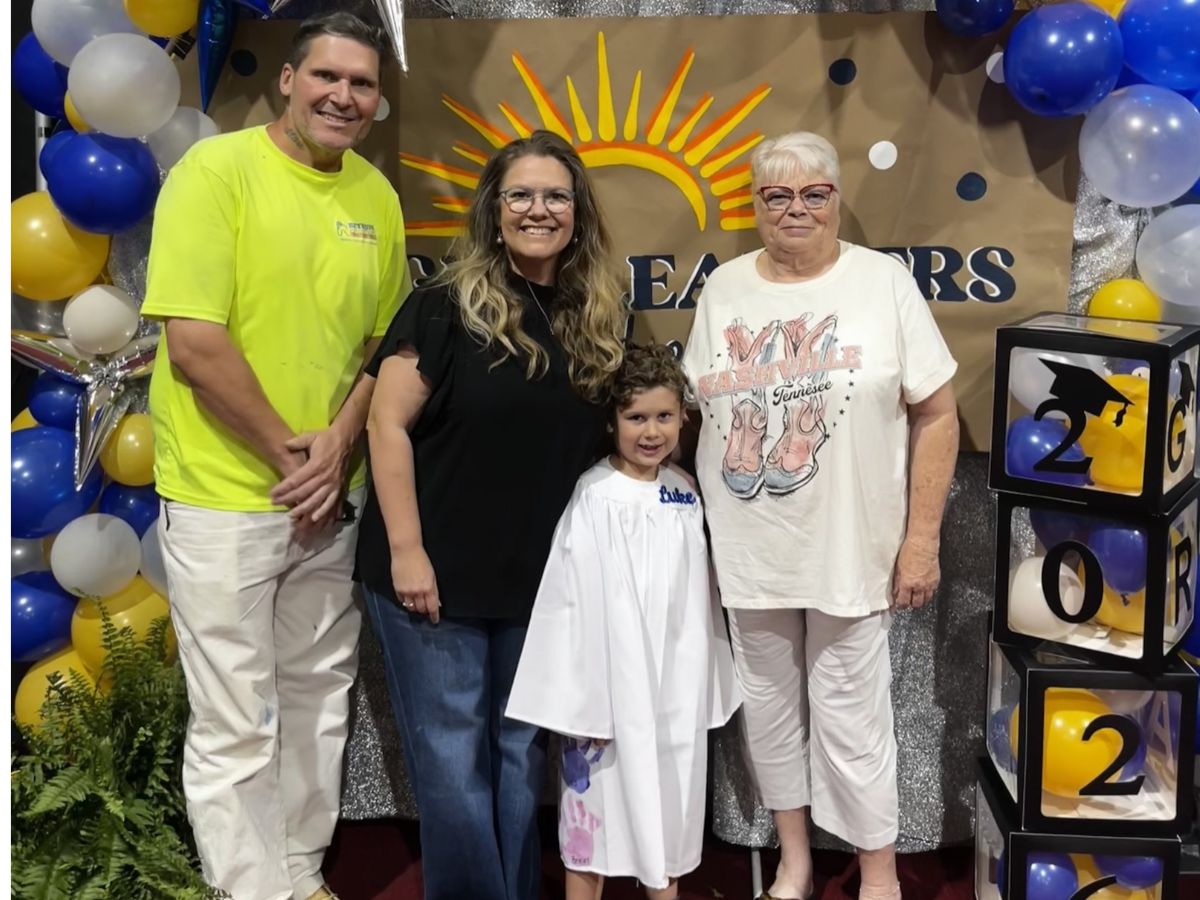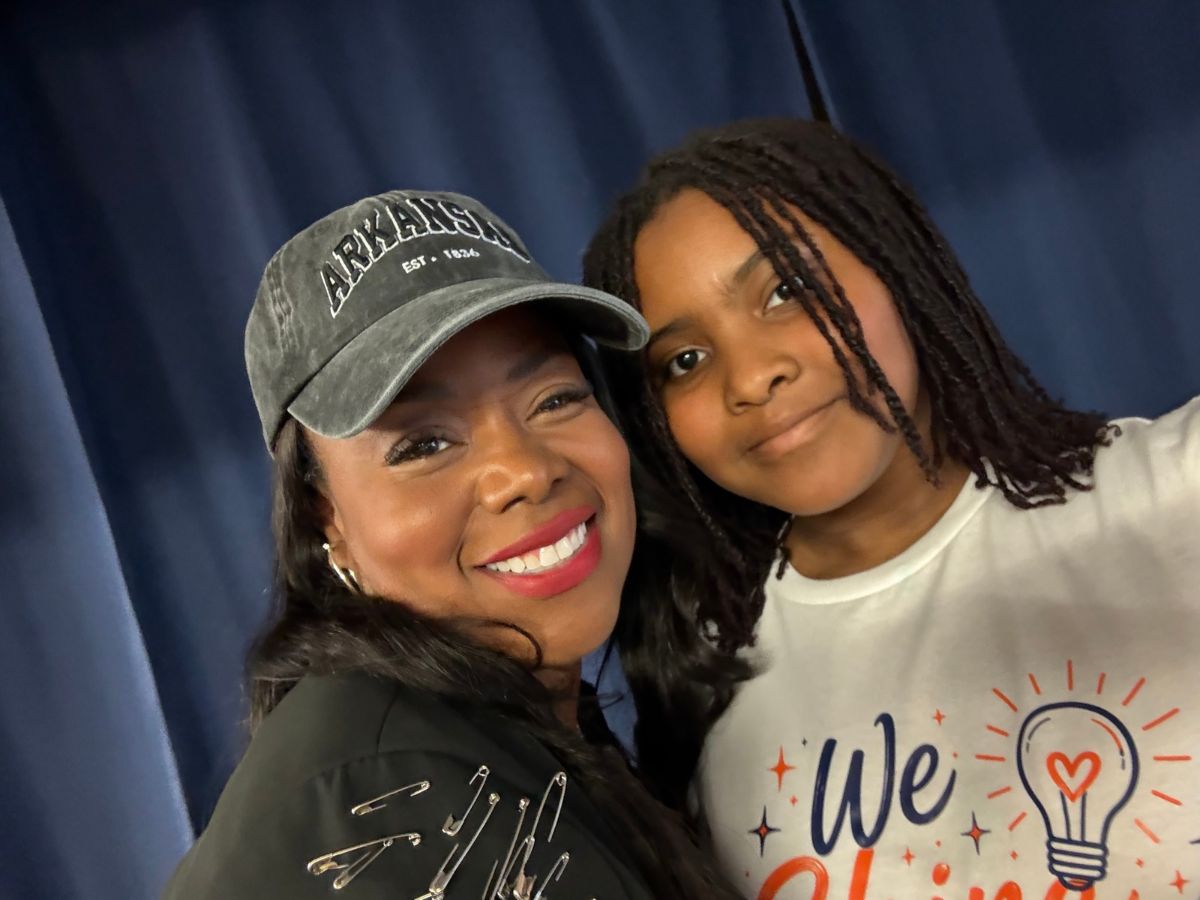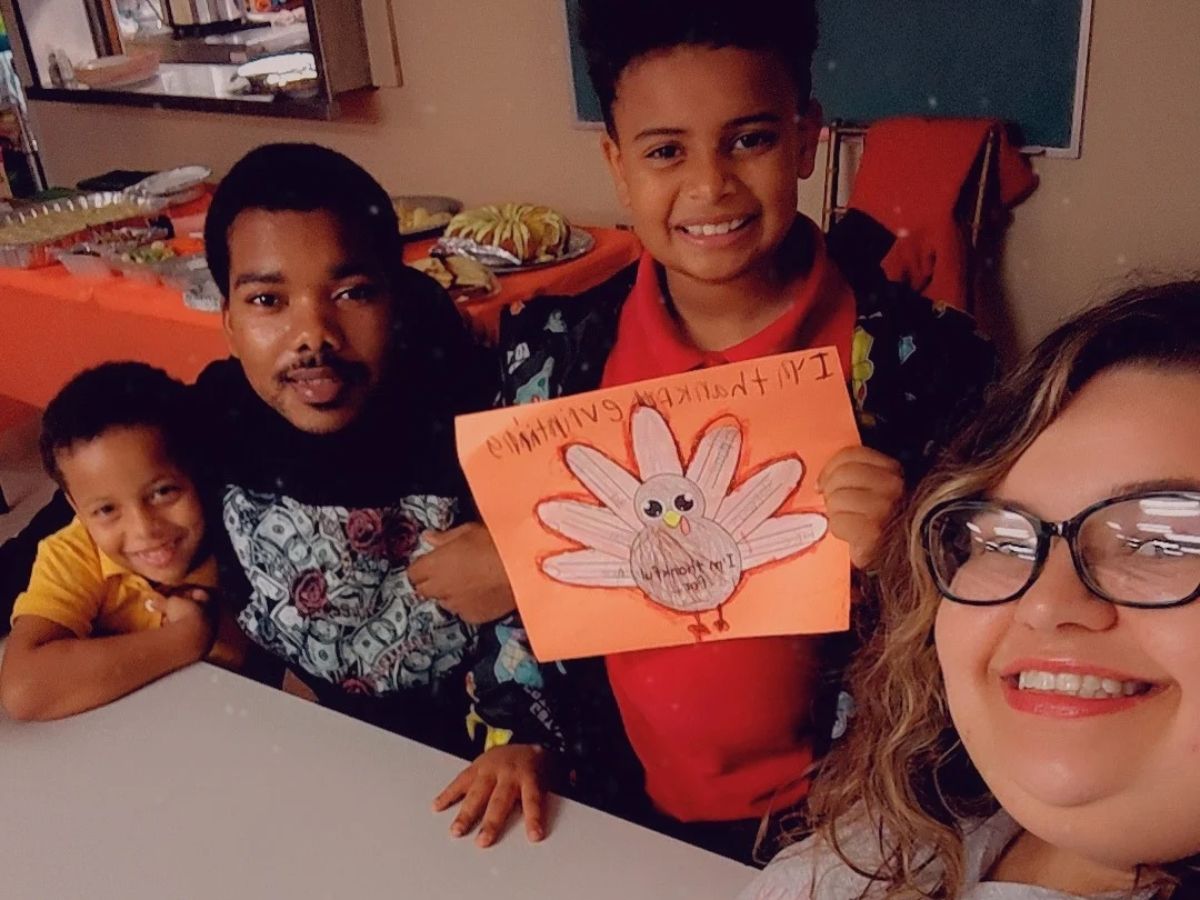
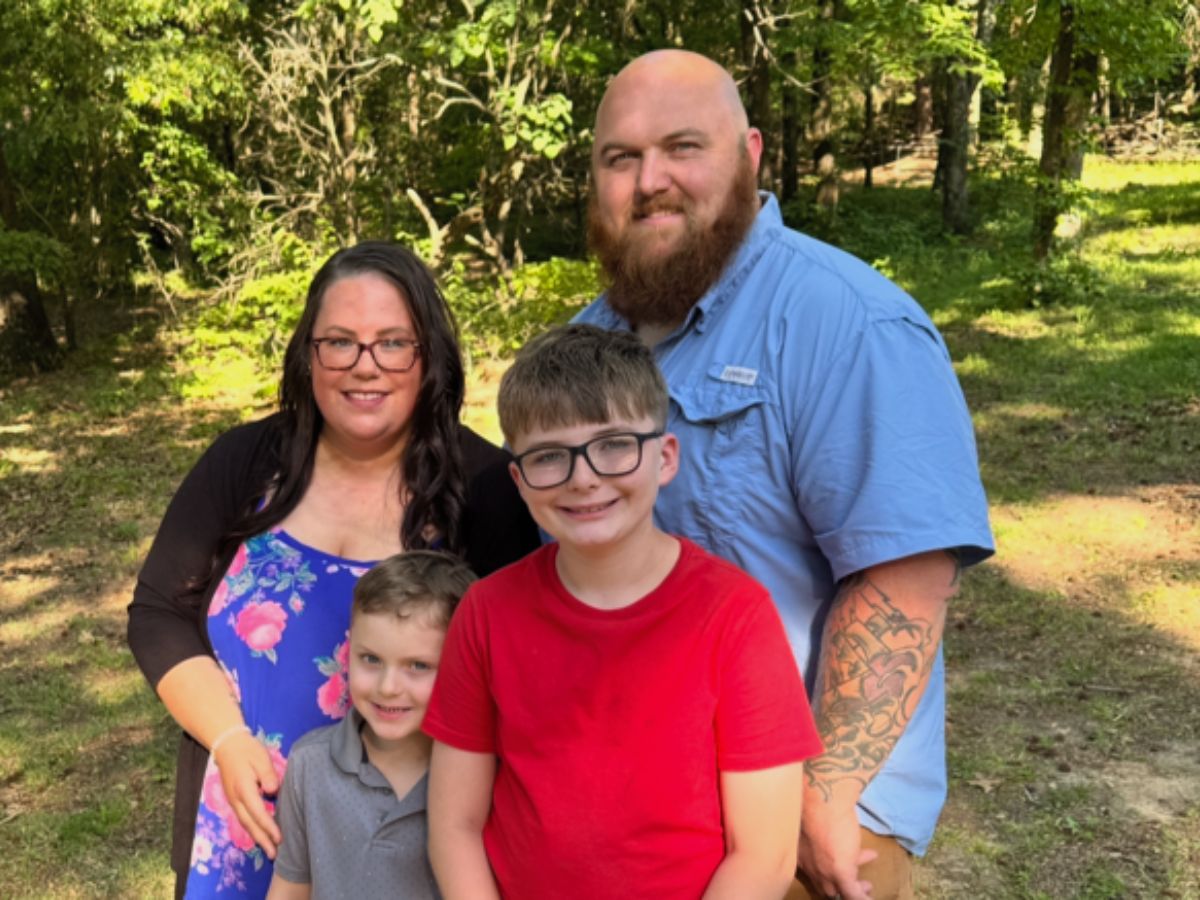
Like many Arkansas parents, Mary Calwell of Jonesboro values passing faith on to her children.
“This is something I want my kids to realize: that when they feel like they don’t have anything, they have their faith,” she said. “If I do anything in this world, I want them to know that their faith is what we’ll get them through.”
But faith-based private school tuition was simply out of reach as her oldest, now 10, started school. And he thrived in public school. He loved his teachers, loved his friends, loved everything about school.
But when her youngest son – “our miracle child, born two months early” – was nearing school age, Caldwell knew he’d need something different, and she wanted both boys together. Then her older son’s teacher mentioned that her own son was going to a microschool called Bright Learners Academy.
“So I got a little curious, and I ended up calling and getting more information about it. I had no clue what a microschool was. I didn’t know until I literally called and found out, and then I did the research. I had always wanted to do homeschool, but personally I couldn’t do that as a parent. I’m not a good teacher,” she said. “As a parent, you know what your kids need, but I’m not their teacher. I’m their mom.”
Money was also a factor, but the timing was such that, as she looked into microschooling, Caldwell could apply for the Arkansas Education Freedom Account (EFA) to provide financial support for tuition.
“The EFA program definitely allows my children to attend here. If the EFA program wasn’t a thing, I honestly don’t think they would be able to be here. Just money’s tight, times are hard sometimes. And this gives me such a huge sigh of relief that I know my kids can have the best life that I could give them,” she said.
Not that there weren’t some initial hesitations about enrolling.
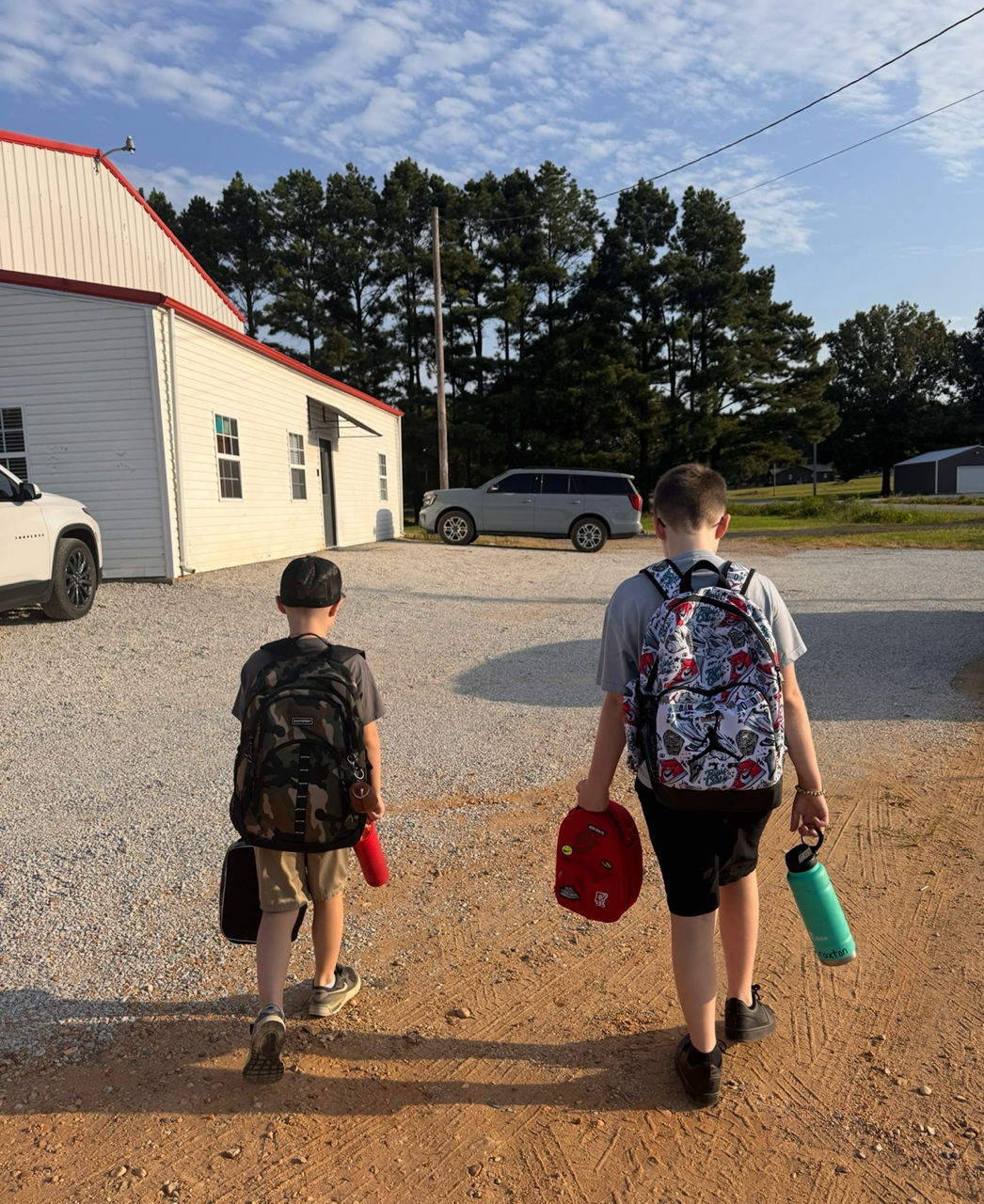
“Leaving public school for my oldest child was a little nerve-wracking, because he is very social. He loves school. There’s nothing about school that he doesn’t like. So taking him away from public school to a smaller school, a way smaller school, had me nervous as a mom,” she said. “It’s just that every morning he would wake up, and he would just not feel good because of the academic pressure that was put on him. But coming here, they still learn, they still have academic procedures they follow, they still do things, but it’s more hands-on. They get more attention. They’re not just an attendance record. And it didn’t take long for my oldest son last year to realize this was a good decision, and he didn’t want to go back to public school.”
The experience has also been a blessing for her youngest, Caldwell said.
“He went through kindergarten last year, and he did well, for the most part, academically. He started this year off back in kindergarten because there were some things that he needed to just freshen up on, which was a little disheartening as a mom,” she said. “However, because they sent him back to kindergarten again, I knew that he was not only cared for and loved, but that his education means so much to them. By the second week of school, they moved him to first grade to be with his class.
“In a school that is not a microschool, we wouldn’t have had that luxury, maybe, if that’s the word for it,” she continued. “We would not have had that ability to do that. He would have just moved to first grade, and he still would have struggled. Instead, he receives occupational therapy here, and he will soon have a speech therapist.
“Honestly, I don’t have any words for it, really. It’s such a blessing. Everything that he gets is done with love, because they care. And I’m not saying that any other school wouldn’t care about your child, but here they don’t just know them. They love them. They care for them. They know what they need,” Caldwell said.
When friends or family ask about the kids’ school, it often takes a little explaining, because they don’t know what a microschool is. And technically, most microschool students in Arkansas are classified as homeschooled, which was news to Caldwell.
“It took me by surprise that this is what homeschool could be, because when I think of homeschool, I literally think of school at home,” she said. “I realized it’s not actually at home in school, even though you do have to file a notice of intent to homeschool through the state. Coming here is still a school setting, still structured like a school, but my kids get more attention. They have more needs that are met than would be possible in a bigger classroom setting. And that’s not to downplay any public school or private school, but my children learn best when they have more attention.”
And Caldwell said she would not trade the results for anything, once again bringing things back to faith.
“One of many things that I absolutely love about Bright Learners is the fact that they incorporate faith into their curriculum, into their school. As a mom, I really, really, really, really appreciate that aspect of it,” she said. “To have teachers like they do – people that care about them and love them and not just know them by their name, but know them by who they are – like faith is just something that can never, ever be taken away from them.
“And it’s not something I would ever want to take them away from. I would never willingly take my children out of this school,” she said. “I don’t think they would ever want to leave this school. Even if I made them, they would throw a fit. This has been a blessing beyond anything I could ever imagine as a parent for my children. And I’m excited to see where the future goes because they will not be leaving here.”
Watch her tell her story here: